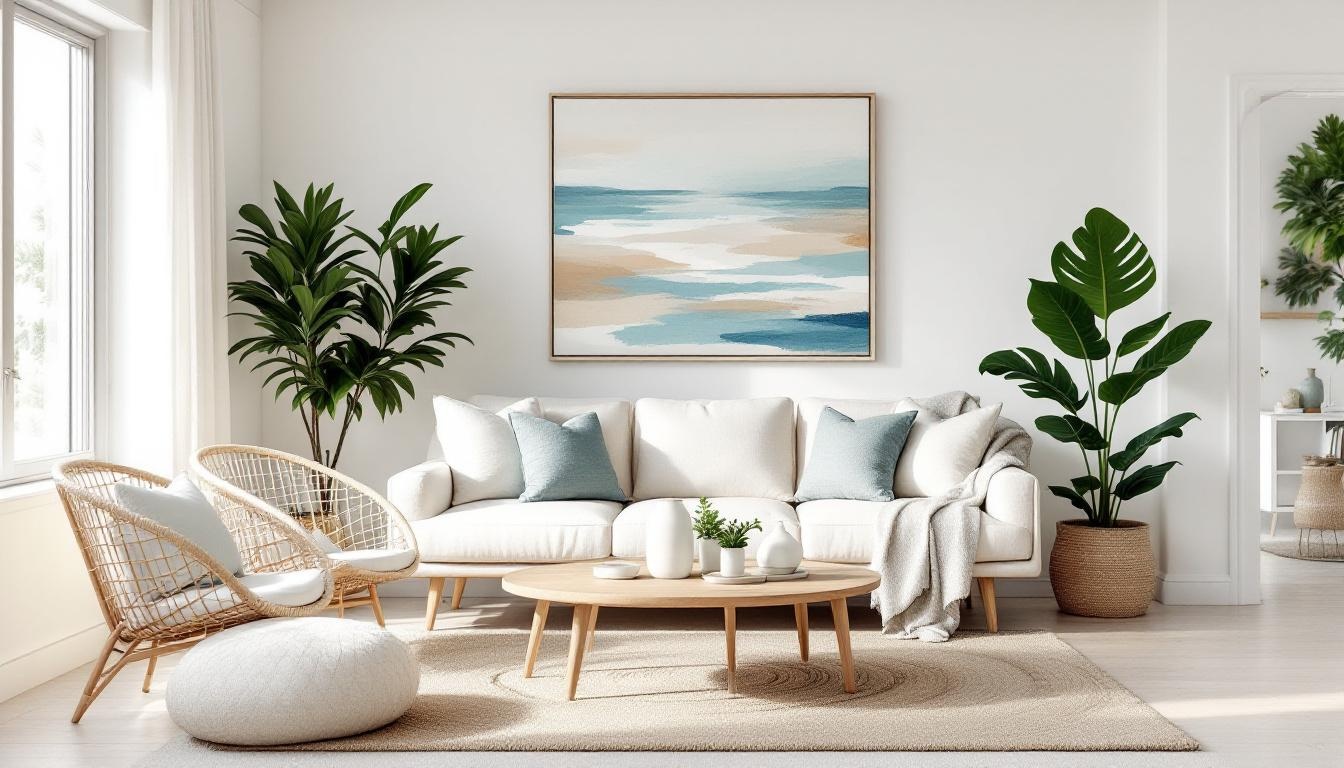
Mid-century modern is one of the few design styles that has never really gone out of fashion. Born in the 1940s through 1960s, the look is defined by clean lines, organic curves, and a functional elegance that still feels fresh today. A well-executed mid century modern living room is the kind of space that looks effortless but is actually quite deliberate in its choices.
This guide covers everything you need to get the look right, from the essential MCM furniture silhouettes to the color palettes and finishing touches that separate an authentic mid-century room from a generic “retro” attempt. All featured pieces are available through our Mid-Century Modern lookbook.
What Makes Mid-Century Modern Different
Before you shop, understand what defines the style. Mid-century modern furniture is characterized by tapered legs, gentle curves, minimal ornamentation, and a preference for warm wood tones, especially walnut and teak. The silhouettes are low and horizontal. Nothing is bulky. Every piece earns its place through both form and function.
The style also embraces bold color in a way that more minimal aesthetics avoid. Mustard yellow, olive green, burnt orange, and teal were hallmarks of the era and remain the most effective accent colors for MCM rooms today.

Essential Mid-Century Modern Furniture
The Sofa
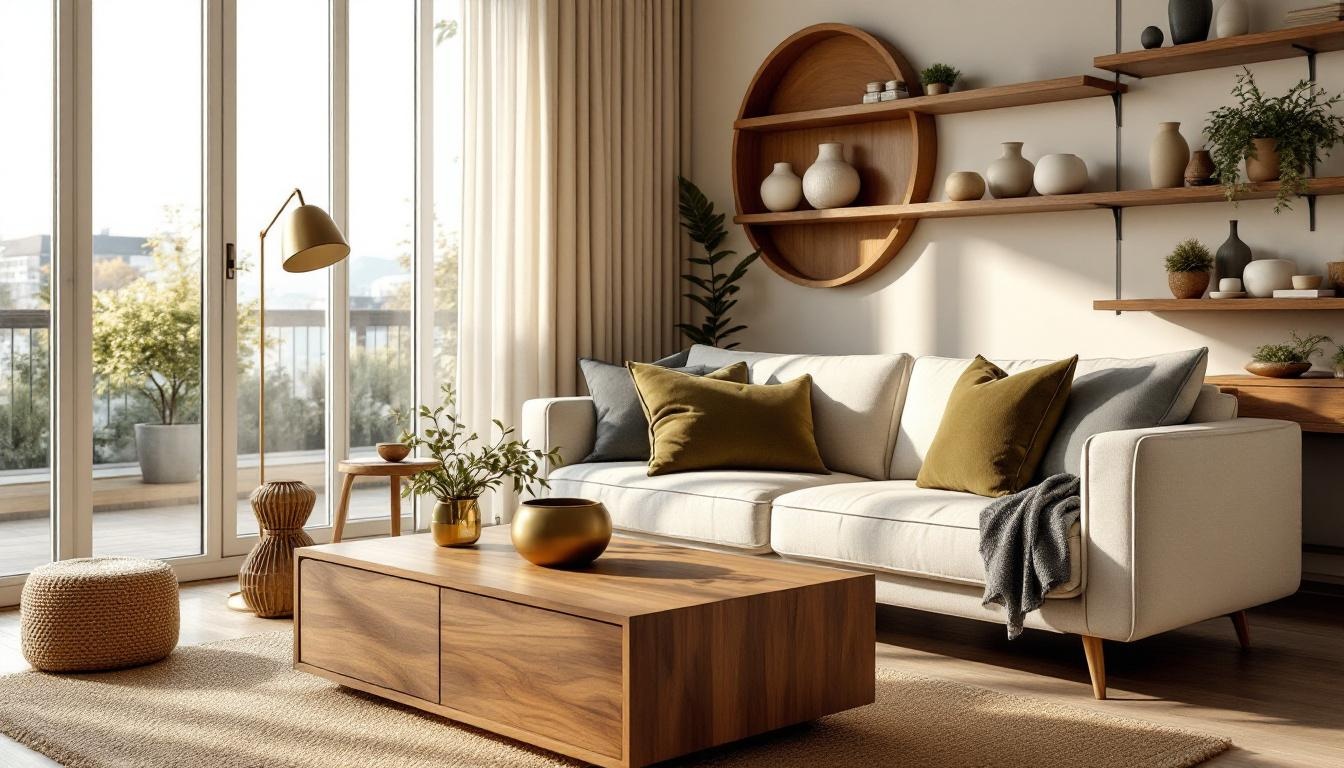
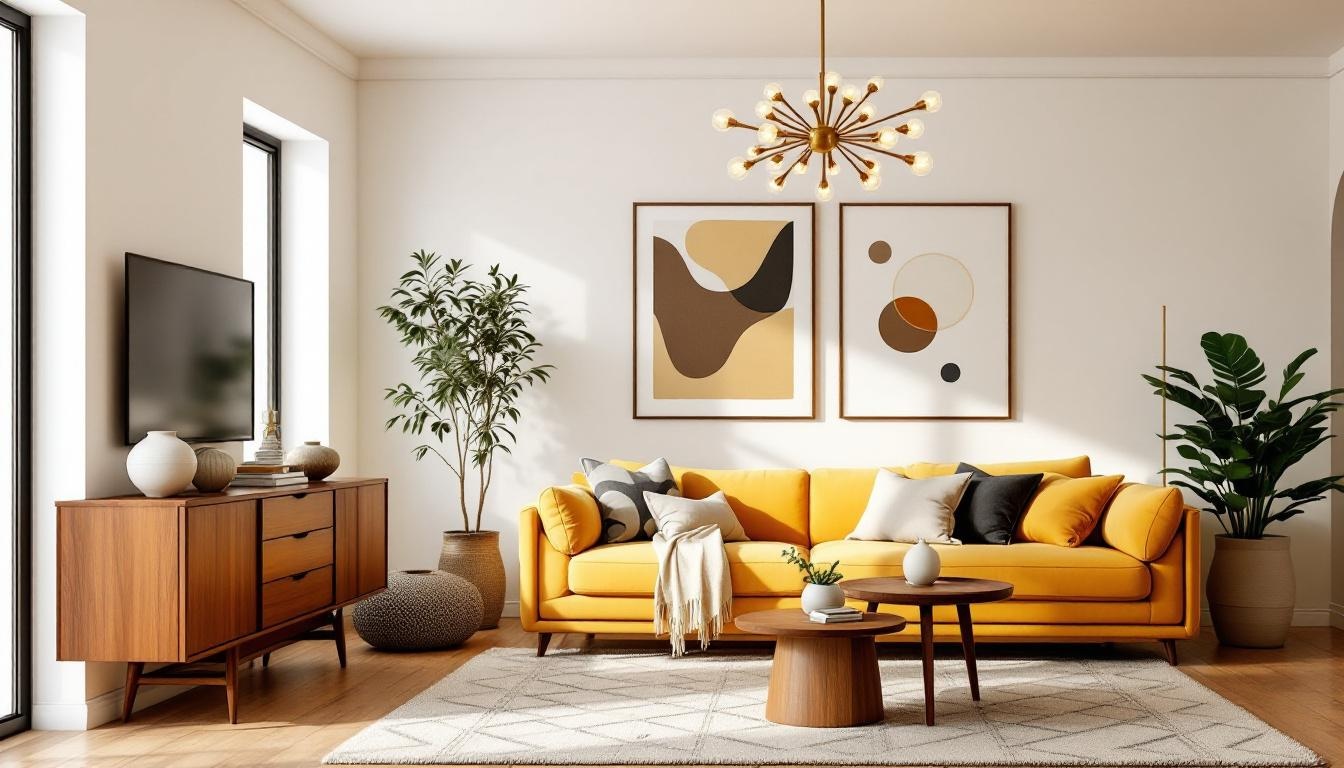
A low-profile sofa with clean lines and tapered wood legs is the centerpiece. Look for tight backs rather than loose cushions, and squared or gently rounded arms. Upholstery in a warm neutral or a period-appropriate color like mustard or olive makes the biggest impact. Avoid anything with visible recliners or oversized proportions.
The Coffee Table
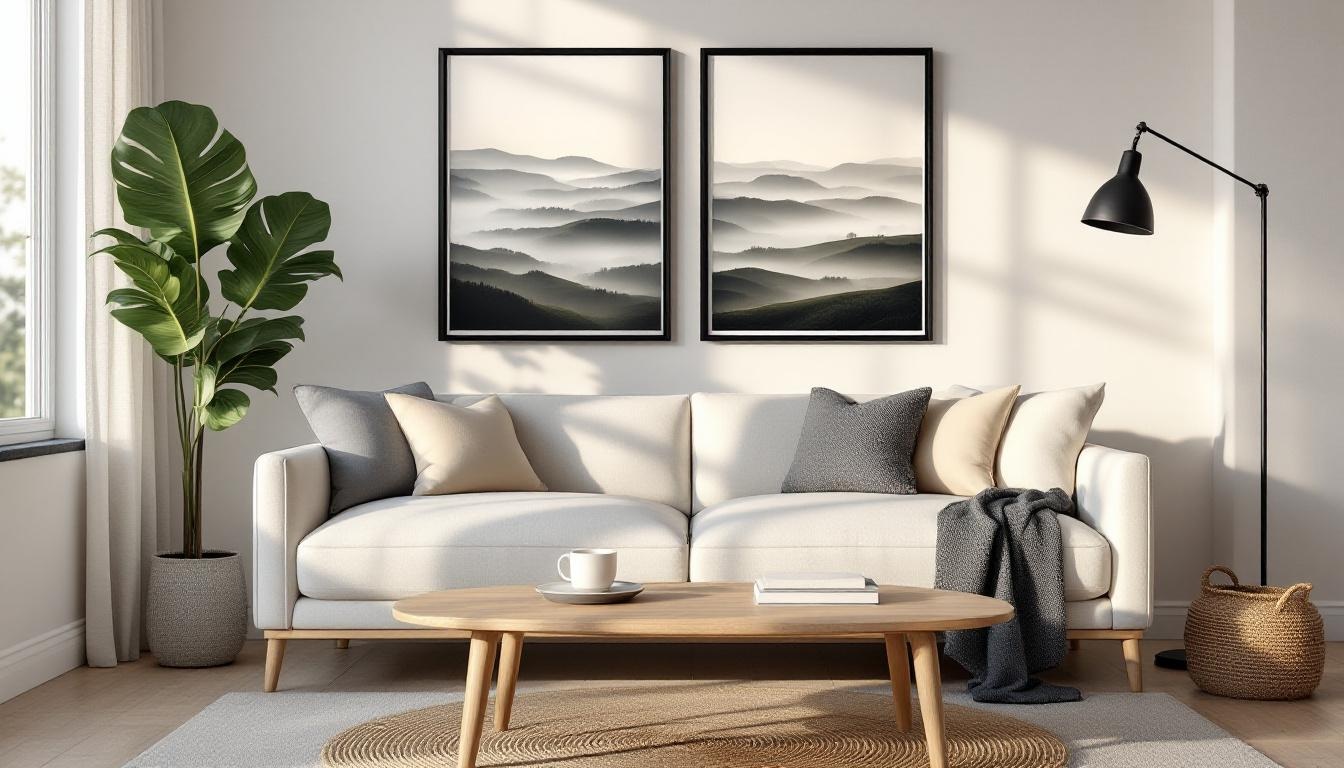
An oval or surfboard-shaped coffee table in walnut is the most iconic MCM choice. The tapered, splayed legs are essential. If oval feels too committed, a simple rectangular table with the right leg profile works just as well. The key is warmth in the wood tone and lightness in the proportions.
The Accent Chair
This is where MCM furniture really shines. A molded shell chair, a bentwood lounge chair, or a leather and wood sling chair adds the period-specific detail that ties the room together. One strong accent chair does more for mid century modern decor than five generic pieces.
The Media Console or Credenza
A long, low credenza in walnut or teak is both functional storage and a design statement. Sliding doors, tapered legs, and minimal hardware define the classic MCM credenza. Use it for media equipment, book storage, or as a display surface for art and accessories.
The MCM living room essentials:
- Low-profile sofa with tapered legs (walnut or brass)
- Walnut coffee table with splayed legs
- One statement accent chair with period-appropriate lines
- Low credenza or media console in warm wood
- Geometric or abstract area rug
- Sputnik chandelier or arc floor lamp
Color Palettes That Work

Mid-century modern rooms thrive on contrast between warm wood tones and bold accents against a neutral backdrop. Here are two palettes that consistently deliver:
Mustard and Walnut
White or cream walls, walnut furniture, and mustard yellow as the primary accent color. Add small touches of brass and black to sharpen the look. This is the most recognizable MCM palette and the easiest to execute well.
Olive and Teak
A slightly moodier option. Warm gray or greige walls, teak furniture, and olive green upholstery or accents. This palette feels more grown-up and works particularly well in rooms with limited natural light, where it creates a cozy, enveloping atmosphere.
The 70/20/10 rule for MCM: 70% warm neutrals (walls, large furniture, rug), 20% warm wood tones (tables, shelving, legs), 10% bold accent color (pillows, art, one upholstered piece). This ratio keeps the room feeling curated rather than costume-like.
Lighting and Accessories
Lighting
Lighting is where a mid-century room earns its character. A sputnik chandelier or a globe pendant light is the overhead statement. Pair it with an arc floor lamp beside the sofa and a tripod table lamp on the credenza. Brass, walnut, and matte black are the correct finishes. Anything chrome or polished silver reads too contemporary.
Art and Wall Decor
Abstract art in bold colors, vintage travel posters, or simple geometric prints in thin black or walnut frames are all appropriate. Gallery walls work if the frames are consistent and the spacing is tight. A large starburst mirror or clock is another period-correct option for an accent wall.
Textiles
Keep patterns geometric or abstract. A retro living room benefits from a bold patterned throw pillow or two, but the overall textile story should be restrained compared to bohemian or farmhouse spaces. Solid-colored pillows in accent tones, a simple wool throw, and a flat-weave or geometric area rug are sufficient.
Common Mistakes to Avoid
The most common mistake is going too retro. A mid century modern living room should not look like a time capsule or a set from a period television show. Mix MCM furniture with contemporary art, current textiles, and modern technology. The style works because of its timelessness, not its nostalgia.
The second mistake is matching everything too precisely. Real mid-century rooms were not bought as sets. Mix walnut with teak. Pair a vintage-inspired sofa with a more modern accent chair. The slight tension between pieces is what makes the room interesting.
For additional layout inspiration, see our complete living room furnishing guide. If you are drawn to the clean lines of MCM but want a warmer or more eclectic feel, explore our Modern and Scandinavian lookbooks, which share some of the same DNA.
Shop Mid-Century Modern Furniture
Browse our curated MCM collection with complete room designs and direct links to every piece.